

Revolutionizing Business Operations: How Advanced Process Management Drives Efficiency and Innovation

Revolutionizing Business Operations: How Advanced Process Management Drives Efficiency and Innovation ?

Basem Obaid
PDCA Group - CEO

In today’s rapidly evolving business landscape, organizations are continually seeking ways to enhance their operations, reduce costs, and stay ahead of the competition. Advanced process management has emerged as a crucial strategy in achieving these goals. By refining and optimizing workflows, businesses can not only streamline their operations but also foster innovation, driving growth and success in an increasingly complex environment.

The Evolution of Process Management

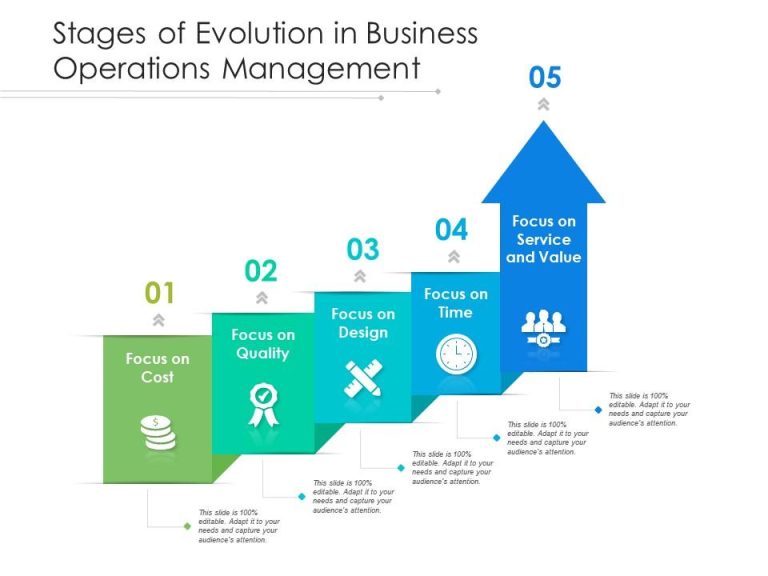
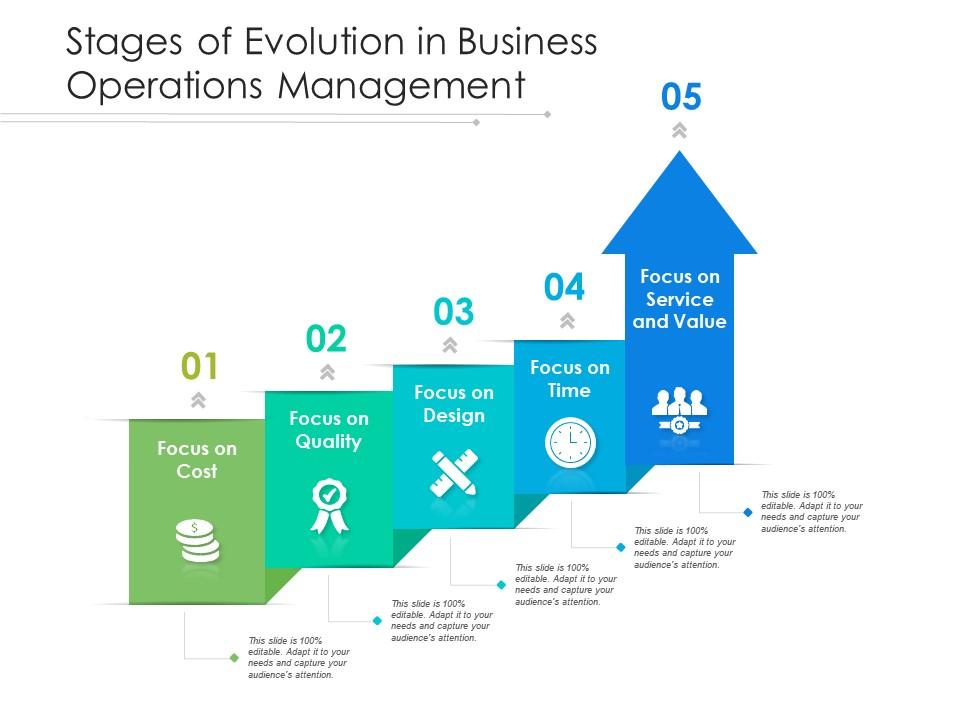
Process management has come a long way from its traditional roots. Historically, businesses focused on basic workflow processes to ensure tasks were completed efficiently. However, as technology has advanced and market demands have shifted, the need for a more sophisticated approach has become apparent. Advanced process management incorporates modern tools and methodologies to analyze, design, implement, and continually improve processes.

Key Components of Advanced Process Management

  1. Data-Driven Insights: Modern process management relies heavily on data analytics. By leveraging real-time data, organizations can gain valuable insights into their operations, identify inefficiencies, and make informed decisions. Tools such as Business Process Management Systems (BPMS) and advanced analytics platforms allow for continuous monitoring and optimization of processes.

  2. Automation and Technology Integration: Automation is a game-changer in process management. By integrating technologies like Robotic Process Automation (RPA) and Artificial Intelligence (AI), businesses can automate repetitive tasks, reduce human error, and free up valuable resources. This not only speeds up operations but also allows employees to focus on more strategic, value-added activities.

  3. Agile Methodologies: The adoption of agile methodologies has transformed process management by promoting flexibility and responsiveness. Agile practices, such as iterative development and continuous feedback, enable organizations to adapt quickly to changes and continuously improve their processes.

  4. Cross-Functional Collaboration: Advanced process management emphasizes the importance of collaboration across different departments and functions. By breaking down silos and fostering a culture of teamwork, businesses can ensure that processes are integrated and optimized across the entire organization.
Driving Efficiency Through Process Management

Efficiency is a primary goal of process management. By mapping out workflows, identifying bottlenecks, and streamlining procedures, organizations can significantly reduce operational costs and time. Advanced process management techniques, such as Lean Six Sigma, focus on eliminating waste and improving quality, leading to more efficient and effective operations.

Fostering Innovation

In addition to driving efficiency, advanced process management also plays a crucial role in fostering innovation. By creating a structured framework for process improvement, businesses can experiment with new ideas, test innovative solutions, and implement changes more effectively. The iterative nature of advanced process management encourages a culture of continuous improvement and innovation, allowing organizations to stay ahead of industry trends and emerging technologies.

Real-World Examples

Several companies have successfully leveraged advanced process management to revolutionize their operations. For instance, a global manufacturing firm implemented a comprehensive process management system that integrated AI and automation, resulting in a significant reduction in production time and costs. Similarly, a leading financial services provider adopted agile methodologies to streamline its processes, leading to faster time-to-market for new products and improved customer satisfaction.

Conclusion

Advanced process management is more than just a trend; it is a fundamental approach to transforming business operations. By embracing data-driven insights, automation, agile practices, and cross-functional collaboration, organizations can enhance efficiency, drive innovation, and achieve long-term success. As businesses continue to navigate an ever-changing landscape, advanced process management will remain a key driver of operational excellence and competitive advantage.

In an era where efficiency and innovation are paramount, investing in advanced process management is not just a strategic choice—it is a necessity for thriving in the modern business world.

Harnessing Business Process Management for Digital Transformation: Strategies for a Competitive Edge

In the fast-paced, technology-driven world of business, staying competitive requires more than just innovation—it demands a fundamental transformation in how organizations operate. Digital transformation has become a crucial strategy for businesses looking to remain relevant and competitive. At the heart of this transformation lies Business Process Management (BPM), a discipline that enables organizations to optimize and automate their processes, driving efficiency, agility, and innovation. This article delves into the critical role of BPM in digital transformation and outlines strategies for leveraging it to gain a competitive edge.

The Role of Business Process Management in Digital Transformation

Business Process Management (BPM) is the practice of designing, analyzing, optimizing, and automating business processes to improve efficiency, reduce costs, and enhance the customer experience. In the context of digital transformation, BPM serves as the foundation for organizations to modernize their operations, align processes with new technologies, and create a culture of continuous improvement.

Digital transformation involves the integration of digital technologies into all areas of a business, fundamentally changing how it operates and delivers value to customers. However, this transformation cannot be achieved without rethinking and redesigning core business processes. BPM provides the framework to ensure that these processes are not only aligned with the organization’s strategic goals but are also optimized for the digital era.

Key Strategies for Implementing BPM in Digital Transformation

  1. Process Automation and EfficiencyOne of the most significant advantages of BPM in digital transformation is its ability to automate repetitive and time-consuming tasks. By leveraging technologies such as Robotic Process Automation (RPA), organizations can streamline their workflows, reduce manual errors, and free up employees to focus on higher-value activities.Automation through BPM not only enhances efficiency but also accelerates decision-making. Automated processes can operate 24/7 without human intervention, ensuring that critical tasks are completed quickly and consistently. This level of efficiency is essential for organizations looking to scale their operations and respond swiftly to market changes.
  2. Integration of AI and Data AnalyticsThe integration of Artificial Intelligence (AI) and data analytics into BPM is transforming how organizations approach process optimization. AI can analyze vast amounts of data to identify patterns, predict outcomes, and recommend improvements. This allows organizations to make data-driven decisions and continuously refine their processes.For example, AI-powered analytics can help identify bottlenecks in workflows, predict customer behavior, and optimize resource allocation. By incorporating AI into BPM, organizations can achieve a deeper understanding of their operations and make more informed decisions that drive efficiency and innovation.
  3. Improving Customer ExperienceDigital transformation is not just about internal efficiency; it’s also about enhancing the customer experience. BPM plays a crucial role in this by enabling organizations to streamline customer-facing processes, reduce response times, and deliver personalized experiences.For instance, BPM can help automate customer service workflows, ensuring that inquiries are routed to the right department and resolved quickly. By integrating BPM with customer relationship management (CRM) systems, organizations can provide seamless and consistent interactions across all touchpoints, improving customer satisfaction and loyalty.
  4. Fostering a Culture of Continuous ImprovementDigital transformation is an ongoing journey, not a one-time project. To remain competitive, organizations must foster a culture of continuous improvement, where processes are regularly reviewed, refined, and optimized. BPM provides the tools and methodologies to support this culture.By implementing a BPM framework, organizations can establish a systematic approach to process improvement. This involves regularly monitoring process performance, gathering feedback from stakeholders, and using data-driven insights to make adjustments. Continuous improvement ensures that processes remain aligned with the organization’s goals and can adapt to changing market conditions.
  5. Agility and AdaptabilityIn today’s dynamic business environment, agility is key to success. BPM enables organizations to build agility into their processes, allowing them to quickly adapt to new opportunities and challenges. Agile processes are more flexible, scalable, and responsive, making it easier for organizations to innovate and stay ahead of the competition.For example, in the face of sudden market shifts or disruptions, organizations with well-established BPM systems can quickly reconfigure their processes to address the new reality. This adaptability is crucial for businesses looking to thrive in an unpredictable world.

Overcoming Challenges in BPM Implementation

While BPM offers significant benefits, its implementation is not without challenges. One of the primary obstacles is resistance to change. Employees may be accustomed to existing processes and wary of adopting new technologies. To overcome this, organizations must invest in change management, providing training and support to help employees embrace BPM.

Another challenge is ensuring that processes are designed with the end-user in mind. BPM should not be about automation for its own sake, but about creating processes that add value to the organization and its customers. This requires a deep understanding of the business and a customer-centric approach to process design.

Finally, data quality is a critical factor in the success of BPM. AI and analytics rely on accurate and up-to-date data to provide meaningful insights. Organizations must prioritize data governance and ensure that their data is clean, consistent, and accessible.

The Future of BPM in Digital Transformation

As digital transformation continues to reshape industries, the role of BPM will only become more critical. Organizations that effectively harness BPM will be better equipped to navigate the complexities of the digital age, driving efficiency, innovation, and customer satisfaction. By embracing BPM as a strategic enabler of digital transformation, businesses can gain a competitive edge and position themselves for long-term success.

In conclusion, Business Process Management is not just a tool for operational efficiency—it’s a strategic asset that drives digital transformation. By optimizing and automating processes, integrating AI and analytics, and fostering a culture of continuous improvement, organizations can harness the full potential of BPM to stay competitive in an ever-evolving business landscape. As the digital revolution continues to accelerate, BPM will be at the forefront, enabling businesses to thrive in the face of change