


circle
square
trophy
book

PDCA Learning

At PDCA Learning, we offer a range of accredited training programs designed to keep pace with the latest advancements in institutional excellence, innovation, process management, and strategy. Our programs are carefully crafted to meet the needs of individuals and organizations, helping them enhance their skills and achieve outstanding performance based on global best practices and standards.

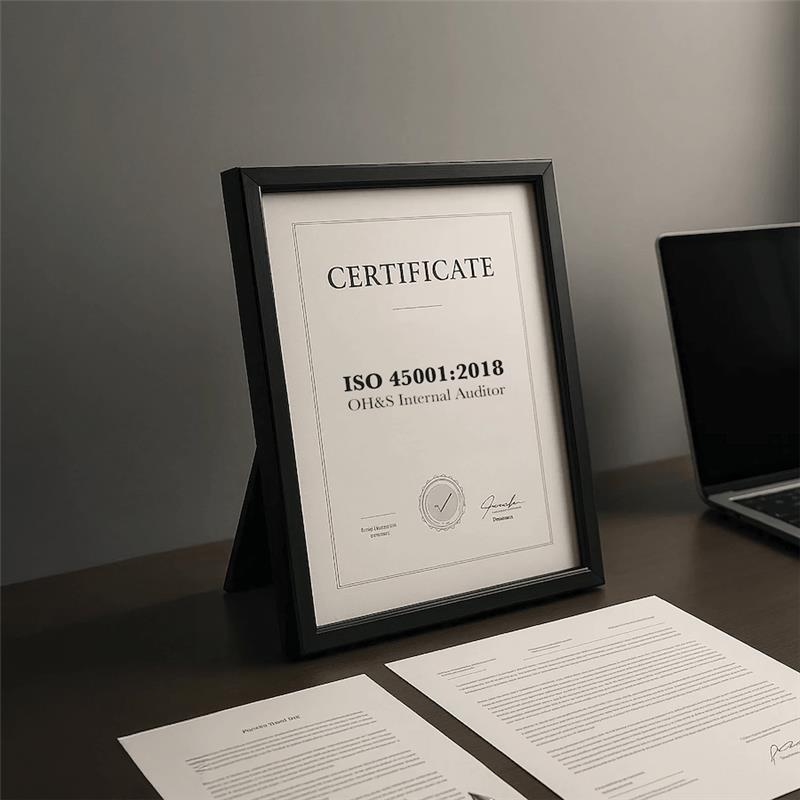
ISO 45001:2018 OH&S Internal Auditor | IRCA Certified

ISO 45001:2018 OH&S Internal Auditor This highly interactive two-day CQI and IRCA Certified training course teaches the principles and techniques that are required to effectively audit occupational health and safety management systems (OHSMS). ISO 45001:2018 OH&S Internal Auditor Level Internal Auditor Duration 2 Days Request a Call Check our Public Schedule Internal auditing is one of the fundamental mechanisms for maintaining but also for developing and improving existing working practices within an organisation. This course concentrates on the most important attributes of the ISO 45001:2018 management system and helps delegates to understand the role of the auditor in the development and improvement of this system. What are the benefits This course, combined with an OH&SMS Foundation Course, satisfies the formal training requirement for those wishing to register under the CQI and IRCA Certified training scheme as an Internal OH&SMS Auditor. Successful delegates will be equipped with the technical skills and knowledge required to plan, conduct and report internal health and safety effectively. Certification Delegates completing the course will be awarded a CQI and IRCA Certified training accredited certificate. WHO SHOULD ATTEND? This course is essential for those who will undertake internal health and safety management system audits or who will be required to plan, manage and implement an internal audit programme. COURSE OBJECTIVES On completion of this course, participants will be able to: ·        Identify OHS management system standards applicable to health and safety. ·        Understand the key terminology related to internal auditing. ·        Explain the stages of the auditing process. ·        Plan, prepare, communicate and schedule for an internal audit. ·        Implement an effective internal audit. ·        Collect, verify and evaluate information relevant to the audit. ·        Prepare clear audit findings. ·        Conduct an effective audit feedback meeting. ·        Write and distribute an audit report. ·        Conduct follow-up audit activities. COURSE CONTENT  The course content is based on the following course structure overview: ·        OHS Management System. ·        Audit Fundamentals. ·        Internal Audit Planning. ·        Conducting the Audit. ·        Reporting Audit Outcomes. ·        Audit Follow Up COURSE BROCHURE Download This course is essential for those who will undertake internal health and safety management system audits or who will be required to plan, manage and implement an internal audit programme. On completion of this course, participants will be able to: ·        Identify OHS management system standards applicable to health and safety. ·        Understand the key terminology related to internal auditing. ·        Explain the stages of the auditing process. ·        Plan, prepare, communicate and schedule for an internal audit. ·        Implement an effective internal audit. ·        Collect, verify and evaluate information relevant to the audit. ·        Prepare clear audit findings. ·        Conduct an effective audit feedback meeting. ·        Write and distribute an audit report. ·        Conduct follow-up audit activities.  The course content is based on the following course structure overview: ·        OHS Management System. ·        Audit Fundamentals. ·        Internal Audit Planning. ·        Conducting the Audit. ·        Reporting Audit Outcomes. ·        Audit Follow Up Download Contact Us Let’s build the future of your organization—together. Reach out to discover how we can help you achieve sustainable success in your operations. Get in Touch

View Details
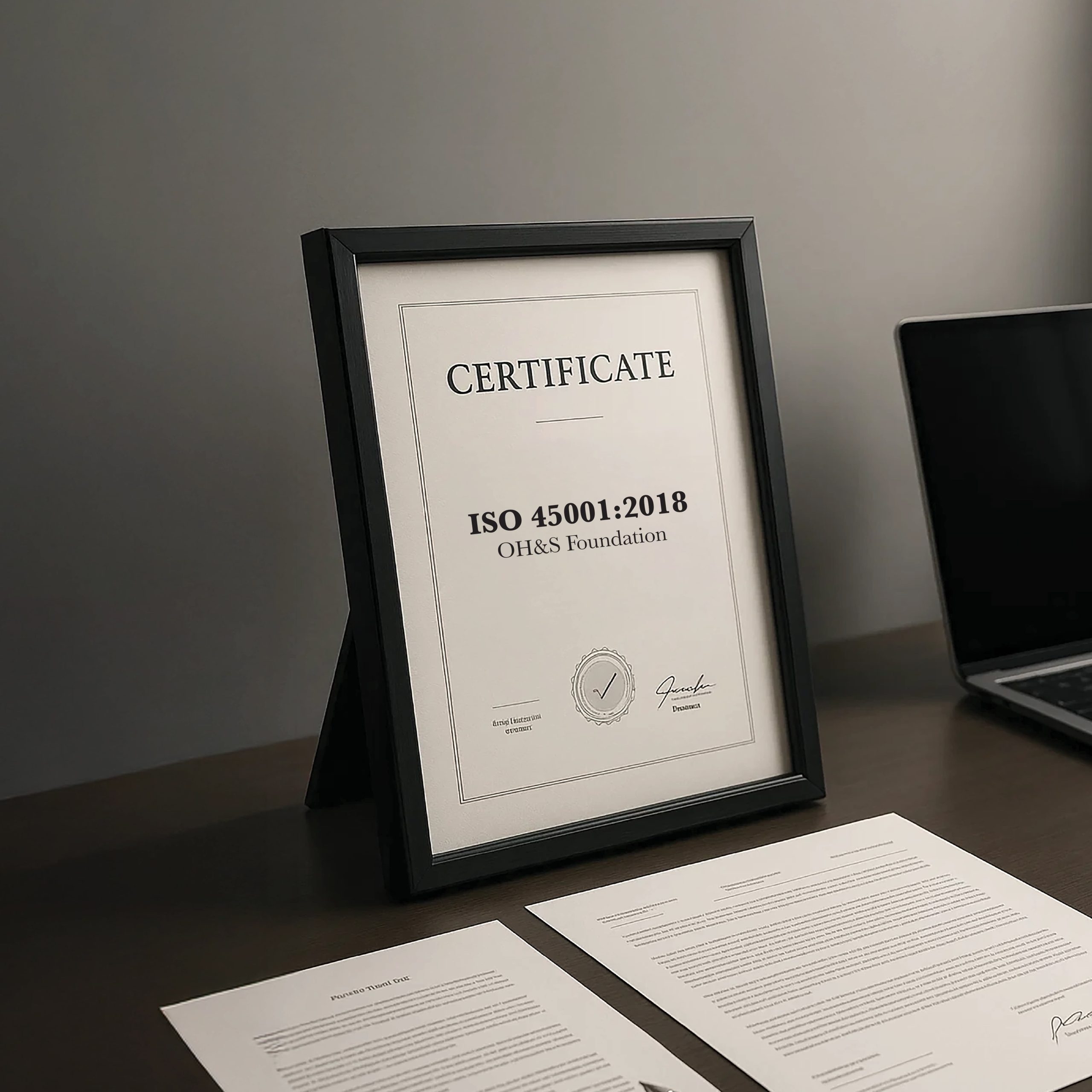
ISO 45001:2018 OH&S Foundation | IRCA Certified

ISO 45001:2018 OH&S Foundation This one-day CQI and IRCA certified training course is for those wanting an introduction to the new international occupational health and safety management system (OHSMS) standard ISO 45001:2018 and to understand how it can be used to develop, maintain and improve your health and safety performance. ISO 45001:2018 OH&S Foundation Level Foundation Duration 1 Day Request a Call Check our Public Schedule Knowledge and understanding of ISO 45001:2018 is more than simply reading the standard’s text. It demands an understanding of the requirements and a considered application of the standard to the organisation. After this course, you will have sufficient insight to be able to evaluate your own organisation’s arrangements and identify how they can be improved. What are the benefits Attendance will enable delegates to: ·      Decide how best to develop the Environmental Management Systems of their organisation and avoid common problems. ·       Add to their environmental management career credentials. ·        Understand the relevance of environmental standards to their organisation. ·       Improve environmental decision-making. ·       Demonstrate the competitive benefits of environmental management standards to their own and other organisations. Certification Delegates completing the course will be awarded a CQI and IRCA Certified training accredited certificate. WHO SHOULD ATTEND? This course is designed for those needing an introduction to OHSMS and is a pre-requisite for those wishing to attend the CQI and IRCA certified OHSMS Internal Auditor or Lead Auditor course. It is ideal for managers, supervisors, health and safety representatives, OH&S consultants and those with health and safety management responsibilities or anyone wishing to understand the impact and relevance of ISO 45001:2018 to their organisations. COURSE OBJECTIVES This course will equip delegates with an understanding of the development and application of OHSMS techniques and how the ISO 45001:2018 standard is interpreted and implemented. On completion of the course delegates will be able to:  ·        Understand the purpose and business benefits of an OHSMS. ·      Outline the structure and content of ISO 45001 and its relationship with Annex SL. ·       Interpret the requirements of ISO 45001 in the context of an effective OHSMS. ·       Conduct follow-up audit activities. COURSE CONTENT The course content is based on the following course structure overview: ·    Occupational Health and Safety Management Systems (OHSMS) – introduction and key OHS concepts. ·      OHSMS based on ISO 45001:2018 including the Process Approach. ·      Key ISO 45001 requirements. ·      Organisational context. ·      OH&S Policy and Planning. ·      Risks and opportunities to the OHSMS. ·      Hazard identification and elimination and controls, operation, performance evaluation and improvement. ·        ISO 45001:2018 requirements including; worker needs, interests and participation as well as interested parties. ·        Continual improvement of an OHSMS. COURSE BROCHURE Download This course is designed for those needing an introduction to OHSMS and is a pre-requisite for those wishing to attend the CQI and IRCA certified OHSMS Internal Auditor or Lead Auditor course. It is ideal for managers, supervisors, health and safety representatives, OH&S consultants and those with health and safety management responsibilities or anyone wishing to understand the impact and relevance of ISO 45001:2018 to their organisations. This course will equip delegates with an understanding of the development and application of OHSMS techniques and how the ISO 45001:2018 standard is interpreted and implemented. On completion of the course delegates will be able to:  ·        Understand the purpose and business benefits of an OHSMS. ·      Outline the structure and content of ISO 45001 and its relationship with Annex SL. ·       Interpret the requirements of ISO 45001 in the context of an effective OHSMS. ·       Conduct follow-up audit activities. The course content is based on the following course structure overview: ·    Occupational Health and Safety Management Systems (OHSMS) – introduction and key OHS concepts. ·      OHSMS based on ISO 45001:2018 including the Process Approach. ·      Key ISO 45001 requirements. ·      Organisational context. ·      OH&S Policy and Planning. ·      Risks and opportunities to the OHSMS. ·      Hazard identification and elimination and controls, operation, performance evaluation and improvement. ·        ISO 45001:2018 requirements including; worker needs, interests and participation as well as interested parties. ·        Continual improvement of an OHSMS. Download Contact Us Let’s build the future of your organization—together. Reach out to discover how we can help you achieve sustainable success in your operations. Get in Touch
View Details
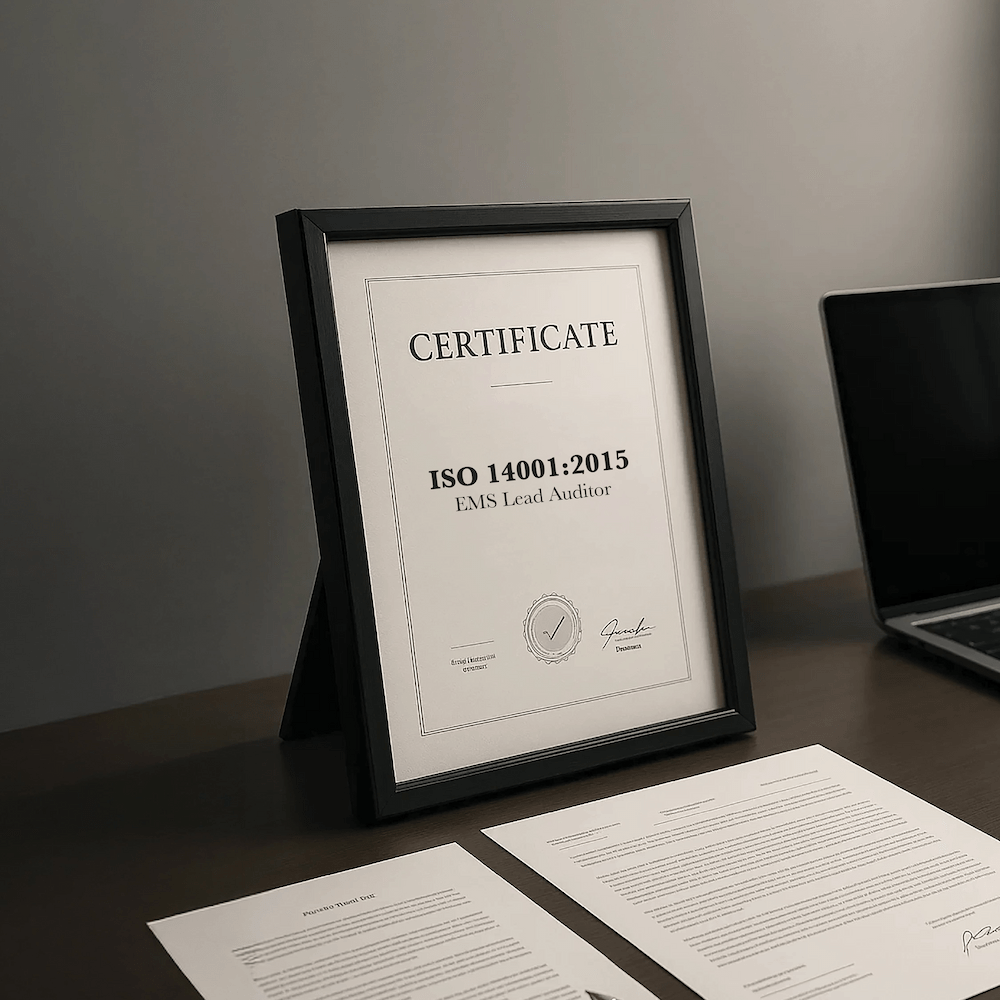
ISO 14001:2015 EMS Lead Auditor | IRCA Certified

ISO 14001:2015 EMS Lead Auditor This intensive and engaging 5-day training program provides participants with a comprehensive understanding of ISO 14001: Environmental Management Systems, with a strong focus on the role and responsibilities of a Lead Auditor. ISO 14001:2015 EMS Lead Auditor Level Lead Auditor Duration 5 Days Request a Call Check our Public Schedule Through practical workshops, real-world case studies, and expert-led sessions, participants will develop the knowledge and auditing skills needed to plan, conduct, report, and follow up on environmental audits. The course is fully certified by both the Institute of Environmental Management and Assessment (IEMA) and CQI and IRCA, ensuring global recognition and credibility. Ideal for professionals seeking to lead audits within their organizations or externally, it equips attendees with the tools to drive continual improvement and compliance in line with ISO 14001 standards. What are the benefits Designed not only to help people perform value-added audits this course is also designed to develop delegates’ wider understanding of environmental management systems development and implementation. Delegates will gain an understanding of the level of performance required for implementing a successfully certified EMS and how to assess against the ISO 14001:2015 standard. It will help delegates to develop essential conceptual skills including risk-based thinking, continual improvement, life-cycle thinking, and process-based approaches. This course satisfies the formal training requirements for those wishing to register with the IEMA Auditor Registration Scheme and/or with the CQI and IRCA Certified auditing scheme. Certification Delegates completing the course will be awarded a CQI and IRCA Certified training accredited certificate.   WHO SHOULD ATTEND? This course satisfies the training requirement for those seeking to register with the CQI and IRCA Certified training auditing scheme. It is also essential for any serious environmental practitioner, particularly those who have the main responsibility for implementing and maintaining their environmental management system and manage an audit programme for internal audits. Essential also to those who are required to perform more demanding and extensive company audits (corporate auditing); or who are required to regularly assess the performance of other companies (supplier, contractor and/or certification auditors); and for those who are seeking to develop their auditing and environmental skills to a professional level. COURSE OBJECTIVES Those attending this course are expected to have prior knowledge of the following: ·      Environmental Management principles and concepts. ·     The Plan, Do Check, Act (PDCA) cycle. ·  Environmental issues, including an appreciation of environmental protection and pollution prevention and control. ·     Environmental management terms and definitions. ·     Appreciation of environmental compliance issues. ·     Environmental management terms and definitions. ·    Typical structures for environmental management systems including process-based systems. ·    Structure, content and requirements of ISO 14001:2015. COURSE CONTENT The course is designed to help delegates deliver value-added audits to understand the principles of good Environmental Management and to develop their knowledge of the environmental management standard to enable you to lead an audit team. It will also develop delegates’ knowledge & understanding of different environmental audit types, and the practical skills required to plan, execute and report environmental management audits. On completion, delegates will be able to evaluate the effectiveness of an EMS based on the ISO 14001:2015 standard at a level acceptable to certification bodies. COURSE BROCHURE Download This course satisfies the training requirement for those seeking to register with the CQI and IRCA Certified training auditing scheme. It is also essential for any serious environmental practitioner, particularly those who have the main responsibility for implementing and maintaining their environmental management system and manage an audit programme for internal audits. Essential also to those who are required to perform more demanding and extensive company audits (corporate auditing); or who are required to regularly assess the performance of other companies (supplier, contractor and/or certification auditors); and for those who are seeking to develop their auditing and environmental skills to a professional level. Those attending this course are expected to have prior knowledge of the following: ·      Environmental Management principles and concepts. ·     The Plan, Do Check, Act (PDCA) cycle. ·  Environmental issues, including an appreciation of environmental protection and pollution prevention and control. ·     Environmental management terms and definitions. ·     Appreciation of environmental compliance issues. ·     Environmental management terms and definitions. ·    Typical structures for environmental management systems including process-based systems. ·    Structure, content and requirements of ISO 14001:2015. The course is designed to help delegates deliver value-added audits to understand the principles of good Environmental Management and to develop their knowledge of the environmental management standard to enable you to lead an audit team. It will also develop delegates’ knowledge & understanding of different environmental audit types, and the practical skills required to plan, execute and report environmental management audits. On completion, delegates will be able to evaluate the effectiveness of an EMS based on the ISO 14001:2015 standard at a level acceptable to certification bodies. Download Contact Us Let’s build the future of your organization—together. Reach out to discover how we can help you achieve sustainable success in your operations. Get in Touch
View Details
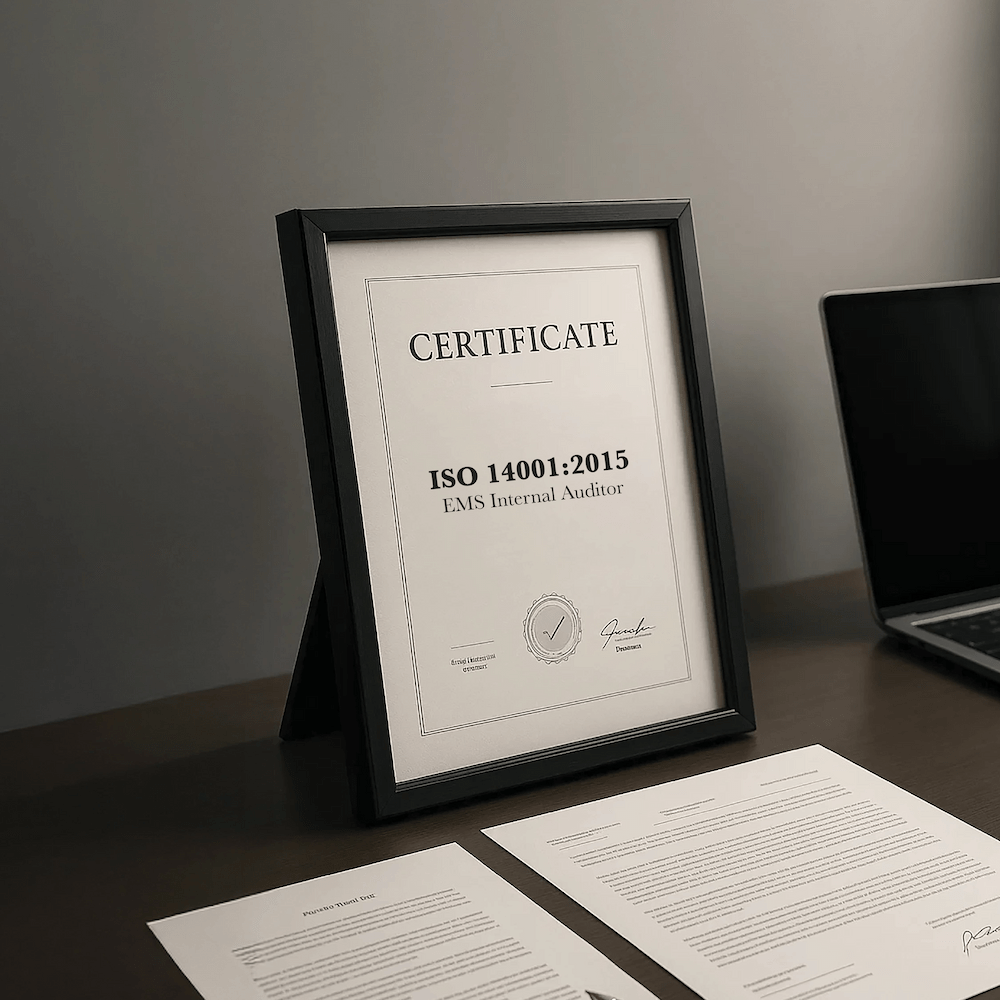
ISO 14001:2015 EMS Internal Auditor | IRCA Certified

ISO 14001:2015 EMS Internal Auditor This interactive CQI and IRCA Certified two-day training programme aims to help delegates to understand and apply the principles and techniques that are required for conducting effective environmental audits. ISO 14001:2015 EMS Internal Auditor Level Internal Auditor Duration 2 Days Request a Call Check our Public Schedule A good system of auditing is one of the most effective methods of ensuring that the Environmental Management System (EMS) continues to meet its objectives and for control and for identifying improvements. Auditors need to be sufficiently competent in order to evaluate the EMS effectively if the organisation is to achieve the full benefit from its EMS and have confidence that it is achieving its objectives. This IRCA registered course focuses delegates on the most important attributes of a modern and effective environmental management system and helps them to understand the role of the auditor in its development and continual improvement. It introduces delegates to business environmental issues and relevant legislative issues. The course is based on auditing with the ISO 14001:2015 standard. What are the benefits This course, combined with an ISO 14001 foundation course, satisfies the formal training requirements for those wishing to register under the CQI and IRCA Certified training scheme as an Internal EMS Auditor. Successful delegates will be equipped with the technical skills and knowledge required to plan, conduct and report internal EMS audits. Delegates also find the interactive nature of the course, it’s challenging content and extensive use of team-based exercises an enjoyable and effective way to learn. Certification Delegates completing the course will be awarded a CQI and IRCA Certified training accredited certificate.   WHO SHOULD ATTEND? This course is essential for those who will undertake internal environmental audits, or who will be required manage and implement internal audit programmes. Other people who find this course useful are team leaders and supervisors with EMS, who are looking to broaden their awareness of environmental issues in order to understand how they can improve their overall contribution to the success of the business. The course does not require any past auditing or environmental management system experience. COURSE OBJECTIVES To enable delegates to effectively plan, perform, evaluate and report the results of internal environmental audits with confidence. To help delegates understand the key attributes of an efficient and effective environmental management system and the role of the internal auditor in its continual improvement and development. COURSE CONTENT ·       Basic environmental thinking and risk-based concepts. ·       Structure and principles of an environmental management system. ·       Overview of key ISO 14001:2015 requirements. ·       Auditors roles and responsibilities. ·      Types of environmental audit. ·       Effective auditing techniques and good audit practices. ·       Reporting valid findings and managing corrective actions. COURSE BROCHURE Download This course is essential for those who will undertake internal environmental audits, or who will be required manage and implement internal audit programmes. Other people who find this course useful are team leaders and supervisors with EMS, who are looking to broaden their awareness of environmental issues in order to understand how they can improve their overall contribution to the success of the business. The course does not require any past auditing or environmental management system experience. To enable delegates to effectively plan, perform, evaluate and report the results of internal environmental audits with confidence. To help delegates understand the key attributes of an efficient and effective environmental management system and the role of the internal auditor in its continual improvement and development. ·       Basic environmental thinking and risk-based concepts. ·       Structure and principles of an environmental management system. ·       Overview of key ISO 14001:2015 requirements. ·       Auditors roles and responsibilities. ·      Types of environmental audit. ·       Effective auditing techniques and good audit practices. ·       Reporting valid findings and managing corrective actions. Download Contact Us Let’s build the future of your organization—together. Reach out to discover how we can help you achieve sustainable success in your operations. Get in Touch
View Details
ISO 14001:2015 EMS Foundation | IRCA Certified

ISO 14001:2015 EMS Foundation A one-day awareness course designed to provide attendees with an introduction to environmental management systems based on the requirements of the ISO 14001:2015 standard and how this standard can be used to develop and improve an environmental management system. ISO 14001:2015 EMS Foundation Level Foundation Duration 1 Day Request a Call Check our Public Schedule In the past, some companies may have seen environmental management as a luxury that they could ill afford but things are changing. Legislation designed to protect the environment has steadily increased and many customers use environmental performance as a key selection criteria when awarding contracts. This means that a systematic approach to environmental management can often make good commercial and financial sense. What are the benefits Attendance will enable delegates to: ·      Decide how best to develop the Environmental Management Systems of their organisation and avoid common problems. ·       Add to their environmental management career credentials. ·        Understand the relevance of environmental standards to their organisation. ·       Improve environmental decision-making. ·       Demonstrate the competitive benefits of environmental management standards to their own and other organisations. Certification Delegates completing the course will be awarded a CQI and IRCA Certified training accredited certificate.   WHO SHOULD ATTEND? Decision-makers and managers at all levels, need to understand the fundamentals and practical implementation requirements of an effective Environmental Management System (EMS). Environmental Managers or those with responsibility for maintaining an existing EMS to a recognised standard will also find this course very useful. Also useful to anyone who needs an introduction to environmental management or those wishing to attend the registered 2-day auditor course without prior experience of environmental management systems. COURSE OBJECTIVES This course will equip delegates with an understanding of the development and application of environmental management techniques and how the ISO 14001:2015 standard is interpreted and implemented. On completion of the course, we expect delegates to be able to:  ·      Describe the purpose of an environmental management system. ·       Explain the purpose, content and interrelationships of ISO 14001, ISO 14004, and EMAS. ·  Interpret the specific requirements of ISO 14001 in the context of an effectively implemented environmental management system. ·    Interpret the requirements of ISO 9001 in the context of an effectively implemented business management system. COURSE CONTENT ·        Benefits of an effective EMS to businesses. ·      Essential environmental terminology & familiarisation with ISO 14001 definitions. ·        Purpose & intent of an environmental management system. ·  Environmental issues & how to assess & determine environmental aspects and impacts. ·  Understanding organizational context and a risk-based approach. ·        Summary of key environmental legislation and relevance of legislation to an EMS. ·        Structure and key requirements of ISO 14001. ·        Setting environmental objectives. ·        Continual improvement process for an EMS. ·        Monitoring, measurement and analysis. COURSE BROCHURE Download Decision-makers and managers at all levels, need to understand the fundamentals and practical implementation requirements of an effective Environmental Management System (EMS). Environmental Managers or those with responsibility for maintaining an existing EMS to a recognised standard will also find this course very useful. Also useful to anyone who needs an introduction to environmental management or those wishing to attend the registered 2-day auditor course without prior experience of environmental management systems. This course will equip delegates with an understanding of the development and application of environmental management techniques and how the ISO 14001:2015 standard is interpreted and implemented. On completion of the course, we expect delegates to be able to:  ·      Describe the purpose of an environmental management system. ·       Explain the purpose, content and interrelationships of ISO 14001, ISO 14004, and EMAS. ·  Interpret the specific requirements of ISO 14001 in the context of an effectively implemented environmental management system. ·    Interpret the requirements of ISO 9001 in the context of an effectively implemented business management system. ·        Benefits of an effective EMS to businesses. ·      Essential environmental terminology & familiarisation with ISO 14001 definitions. ·        Purpose & intent of an environmental management system. ·  Environmental issues & how to assess & determine environmental aspects and impacts. ·  Understanding organizational context and a risk-based approach. ·        Summary of key environmental legislation and relevance of legislation to an EMS. ·        Structure and key requirements of ISO 14001. ·        Setting environmental objectives. ·        Continual improvement process for an EMS. ·        Monitoring, measurement and analysis. Download Contact Us Let’s build the future of your organization—together. Reach out to discover how we can help you achieve sustainable success in your operations. Get in Touch
View Details
ISO 9001:2015 QMS Lead Auditor | IRCA Certified

ISO 9001:2015 QMS Lead Auditor Are you ready to take your auditing skills to the next level? Join our highly interactive, CQI and IRCA-certified ISO 9001 Lead Auditor Course — designed for professionals who want a deep, practical understanding of auditing techniques, leadership skills, and ISO 9001 standards. ISO 9001:2015 QMS Lead Auditor Level Lead Auditor Duration 5 Days Request a Call Check our Public Schedule Throughout this intensive training, you’ll engage in real-world exercises, collaborative discussions, and hands-on auditing simulations. Whether you’re looking to lead internal audits or conduct third-party assessments, this course will equip you with everything you need to succeed. Get ready to master ISO 9001 auditing and open new doors in your career! Enroll now and start your journey to becoming a certified Lead Auditor. What are the benefits      By completing the ISO 9001 Lead Auditor training course, you will: ·        Perform value-adding quality audits with confidence. ·  Develop a deeper understanding of quality management systems (QMS) design and implementation. ·        Master risk-based thinking and how to apply it within a QMS. ·        Learn how to manage internal and external issues effectively through an ISO 9001 framework. ·        Focus on enhancing customer satisfaction and driving continual improvement. ·        Understand how to manage and optimize organizational processes. ·        Discover how to embed critical quality management issues into an organization’s QMS. ·    Fulfill the formal training requirements to register as an Auditor, Lead Auditor, or Principal Auditor with the CQI and IRCA Certified Training Scheme (upon passing with a minimum score of 50%). Certification Delegates completing the course will be awarded a CQI and IRCA Certified training accredited certificate.   WHO SHOULD ATTEND? Those attending this course are expected to have knowledge of the following: ·  Quality management principles and concepts: ·  The Plan, Do, Check, Act (PDCA) cycle. ·  The relationship between quality management and customer satisfaction. ·  Quality management terms and definitions and the 7 Quality Management Principles. ·  The process approach used in quality management. ·  Process Based Quality Management Systems. ·  The structure, content and requirements of ISO 9001. COURSE OBJECTIVES The ISO 9001 Lead Auditor Course aims to equip participants with the knowledge, skills, and practical experience needed to plan, conduct, report, and follow up on audits of quality management systems (QMS) in accordance with ISO 9001 standards and ISO 19011 auditing guidelines.By the end of the course, delegates will be able to: ·     Understand the purpose and benefits of a QMS and QMS audits. ·     Interpret ISO 9001 requirements in the context of an audit. ·     Plan, prepare, and execute effective internal and external audits. · Gather objective evidence through observation, interviewing, and sampling techniques. ·      Evaluate audit findings and report results accurately and clearly. ·      Lead an audit team with professionalism and confidence. ·  Drive continual improvement within an organization through audit findings and corrective actions. COURSE CONTENT ·   ISO 9001:2015 – evidence required for conformity. ·   Roles and responsibilities of auditors and lead auditors. ·   Processes and techniques for planning, conducting & reporting audits. ·  Audit follow-up activities and auditing for continual improvement. COURSE BROCHURE Download Those attending this course are expected to have knowledge of the following: ·  Quality management principles and concepts: ·  The Plan, Do, Check, Act (PDCA) cycle. ·  The relationship between quality management and customer satisfaction. ·  Quality management terms and definitions and the 7 Quality Management Principles. ·  The process approach used in quality management. ·  Process Based Quality Management Systems. ·  The structure, content and requirements of ISO 9001. The ISO 9001 Lead Auditor Course aims to equip participants with the knowledge, skills, and practical experience needed to plan, conduct, report, and follow up on audits of quality management systems (QMS) in accordance with ISO 9001 standards and ISO 19011 auditing guidelines.By the end of the course, delegates will be able to: ·     Understand the purpose and benefits of a QMS and QMS audits. ·     Interpret ISO 9001 requirements in the context of an audit. ·     Plan, prepare, and execute effective internal and external audits. · Gather objective evidence through observation, interviewing, and sampling techniques. ·      Evaluate audit findings and report results accurately and clearly. ·      Lead an audit team with professionalism and confidence. ·  Drive continual improvement within an organization through audit findings and corrective actions. ·   ISO 9001:2015 – evidence required for conformity. ·   Roles and responsibilities of auditors and lead auditors. ·   Processes and techniques for planning, conducting & reporting audits. ·  Audit follow-up activities and auditing for continual improvement. Download Contact Us Let’s build the future of your organization—together. Reach out to discover how we can help you achieve sustainable success in your operations. Get in Touch
View Details
ISO 9001:2015 QMS Internal Auditor | IRCA Certified

ISO 9001:2015 QMS Internal Auditor This highly interactive two-day CQI and IRCA Certified training programme is designed for those people who require a sound understanding of the techniques and principles of quality auditing. It also covers the role of the internal auditor in the development and improvement of an effective quality management system. ISO 9001:2015 QMS Internal Auditor Level Internal Auditor Duration 2 Days Available to book: Virtual Classroom Onsite Classroom Book Now! The role of the internal quality auditor is changing. It is no longer enough that internal audits check procedural conformance, but auditors now need to be able to audit processes with emphasis on risk. Delegates will also become more aware that they play a key role in the development and improvement of working practices across the organisation. This course focuses delegates on the most important attributes of a modern and effective quality management system and helps them to understand the role of the auditor in its development and continual improvement. It introduces delegates to the ISO 9000 series standard and the 7 quality management principles that underpin them. What are the benefits        Attendance will enable delegates to: ·        Meets CQI and IRCA training requirements for Internal Quality Auditor registration. ·        Builds essential skills to plan, conduct, and report audits. ·        Interactive, team-based, and engaging learning experience. ·        Challenging, practical, and highly enjoyable. Certification Delegates completing the course will be awarded a CQI and IRCA Certified training accredited certificate.   WHO SHOULD ATTEND? This course is essential for those who will undertake internal quality audits, or who will be required to plan, manage and implement internal audit programmes. Other people who find this course useful are team leaders and supervisors in quality-driven organisations, who are looking to broaden their awareness of quality issues in order to understand how they can improve their overall contribution to the success of the business. The course does not require any past auditing or quality management experience. COURSE OBJECTIVES On To enable those attending to plan, perform and report the results of internal quality audits with the aim of developing and improving the quality management system of an organisation. To help delegates understand the key attributes of an efficient and effective quality management system and the role of the internal auditor in its continual improvement and development. This course will equip delegates with an understanding of the development and application of Quality Management techniques and how the ISO 9001:2015 standard is interpreted and implemented COURSE CONTENT ·   Plan-Do-Check-Act methodology and other fundamental quality management principles. ·        Business process auditing. ·        Risk based thinking. ·        Quality Internal Auditor. ·        The structure and principles of the ISO 9000 series standards. ·        An overview of ISO 9001. ·        Quality management system implementation issues. ·        Effective auditing techniques and good audit practice. COURSE BROCHURE Download This course is essential for those who will undertake internal quality audits, or who will be required to plan, manage and implement internal audit programmes. Other people who find this course useful are team leaders and supervisors in quality-driven organisations, who are looking to broaden their awareness of quality issues in order to understand how they can improve their overall contribution to the success of the business. The course does not require any past auditing or quality management experience. On To enable those attending to plan, perform and report the results of internal quality audits with the aim of developing and improving the quality management system of an organisation. To help delegates understand the key attributes of an efficient and effective quality management system and the role of the internal auditor in its continual improvement and development. This course will equip delegates with an understanding of the development and application of Quality Management techniques and how the ISO 9001:2015 standard is interpreted and implemented ·   Plan-Do-Check-Act methodology and other fundamental quality management principles. ·        Business process auditing. ·        Risk based thinking. ·        Quality Internal Auditor. ·        The structure and principles of the ISO 9000 series standards. ·        An overview of ISO 9001. ·        Quality management system implementation issues. ·        Effective auditing techniques and good audit practice. Download Contact Us Let’s build the future of your organization—together. Reach out to discover how we can help you achieve sustainable success in your operations. Get in Touch
View Details
ISO 9001:2015 QMS Foundation CQI | IRCA Certified

ISO 9001:2015 QMS Foundation An introduction to ISO 9001 and its role in building effective quality management systems. Participants will learn the key principles, requirements, and practical steps for implementing the standard. The course also explores the purpose of ISO 9001 and its connection to business success. ISO 9001:2015 QMS Foundation Training Course Level Foundation Duration 1 Day Available to book: Virtual Classroom Onsite Classroom Book Now! This foundation course gives an introduction to the most widely used standard for Quality Management in the world. Creation of a successful quality system relies on more than reading the text in the standard; it demands an understanding of requirements and a considered application of the standard to the organisation. This course will provide delegates with an insight into the important world of quality standards, their development and the certification process. What are the benefits        Attendance will enable delegates to: ·        Decide how best to develop the Quality Management Systems of their organisation. ·        Add to their quality management career credentials. ·        Understand the relevance of quality standards to their organisation ·        Be able to set quality objectives. ·  Demonstrate the competitive benefits of quality standards to their own and other organisations. Certification Delegates successfully completing the course will be awarded a CQI and IRCA Certified training accredited certificate.   WHO SHOULD ATTEND? Specially designed for managers, supervisors, those with potential quality roles or anyone wishing to understand and assess the impact and relevance of quality management to their organisations. Also useful to anyone who needs an introduction to quality assurance or those wishing to attend the CQI and IRCA Certified training 2-day auditor course without prior experience of quality systems. COURSE OBJECTIVES This course will equip delegates with an understanding of the development and application of Quality Management techniques and how the ISO 9001:2015 standard is interpreted and implemented. On completion of the course, we expect delegates to be able to: · Describe the purpose of a quality management system with relevance to the 7 principles of quality management. · Explain the purpose, content and interrelationships of ISO 9000, ISO 9001, and ISO 9004. ·  Interpret the requirements of ISO 9001 in the context of an effectively implemented business management system. COURSE CONTENT ·        Background to Quality Assurance. ·        Setting quality objectives. ·        The ISO 9001:2015 series standards. ·        Measurement and analysis. ·        Process Approach. ·        Continual improvement. ·        The 7 quality management principles. ·        Organisational Context. ·        ISO 9001 clause requirements. ·        Risk based thinking. COURSE BROCHURE Download Specially designed for managers, supervisors, those with potential quality roles or anyone wishing to understand and assess the impact and relevance of quality management to their organisations. Also useful to anyone who needs an introduction to quality assurance or those wishing to attend the CQI and IRCA Certified training 2-day auditor course without prior experience of quality systems. This course will equip delegates with an understanding of the development and application of Quality Management techniques and how the ISO 9001:2015 standard is interpreted and implemented. On completion of the course, we expect delegates to be able to: · Describe the purpose of a quality management system with relevance to the 7 principles of quality management. · Explain the purpose, content and interrelationships of ISO 9000, ISO 9001, and ISO 9004. ·  Interpret the requirements of ISO 9001 in the context of an effectively implemented business management system. ·        Background to Quality Assurance. ·        Setting quality objectives. ·        The ISO 9001:2015 series standards. ·        Measurement and analysis. ·        Process Approach. ·        Continual improvement. ·        The 7 quality management principles. ·        Organisational Context. ·        ISO 9001 clause requirements. ·        Risk based thinking. Download Contact Us Let’s build the future of your organization—together. Reach out to discover how we can help you achieve sustainable success in your operations. Get in Touch
View Details