




Revolutionizing Business Operations: How Advanced Process Management Drives Efficiency and Innovation

Revolutionizing Business Operations: How Advanced Process Management Drives Efficiency and Innovation ?

Basem Obaid
PDCA Group - CEO

In today’s rapidly evolving business landscape, organizations are continually seeking ways to enhance their operations, reduce costs, and stay ahead of the competition. Advanced process management has emerged as a crucial strategy in achieving these goals. By refining and optimizing workflows, businesses can not only streamline their operations but also foster innovation, driving growth and success in an increasingly complex environment.

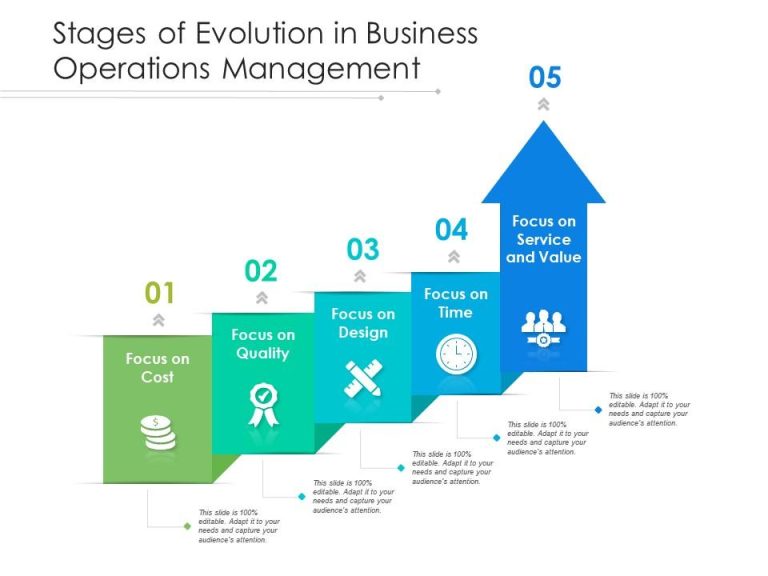
The Evolution of Process Management

Process management has come a long way from its traditional roots. Historically, businesses focused on basic workflow processes to ensure tasks were completed efficiently. However, as technology has advanced and market demands have shifted, the need for a more sophisticated approach has become apparent. Advanced process management incorporates modern tools and methodologies to analyze, design, implement, and continually improve processes.

Key Components of Advanced Process Management

  1. Data-Driven Insights: Modern process management relies heavily on data analytics. By leveraging real-time data, organizations can gain valuable insights into their operations, identify inefficiencies, and make informed decisions. Tools such as Business Process Management Systems (BPMS) and advanced analytics platforms allow for continuous monitoring and optimization of processes.

  2. Automation and Technology Integration: Automation is a game-changer in process management. By integrating technologies like Robotic Process Automation (RPA) and Artificial Intelligence (AI), businesses can automate repetitive tasks, reduce human error, and free up valuable resources. This not only speeds up operations but also allows employees to focus on more strategic, value-added activities.

  3. Agile Methodologies: The adoption of agile methodologies has transformed process management by promoting flexibility and responsiveness. Agile practices, such as iterative development and continuous feedback, enable organizations to adapt quickly to changes and continuously improve their processes.

  4. Cross-Functional Collaboration: Advanced process management emphasizes the importance of collaboration across different departments and functions. By breaking down silos and fostering a culture of teamwork, businesses can ensure that processes are integrated and optimized across the entire organization.
Driving Efficiency Through Process Management

Efficiency is a primary goal of process management. By mapping out workflows, identifying bottlenecks, and streamlining procedures, organizations can significantly reduce operational costs and time. Advanced process management techniques, such as Lean Six Sigma, focus on eliminating waste and improving quality, leading to more efficient and effective operations.

Fostering Innovation

In addition to driving efficiency, advanced process management also plays a crucial role in fostering innovation. By creating a structured framework for process improvement, businesses can experiment with new ideas, test innovative solutions, and implement changes more effectively. The iterative nature of advanced process management encourages a culture of continuous improvement and innovation, allowing organizations to stay ahead of industry trends and emerging technologies.

Real-World Examples

Several companies have successfully leveraged advanced process management to revolutionize their operations. For instance, a global manufacturing firm implemented a comprehensive process management system that integrated AI and automation, resulting in a significant reduction in production time and costs. Similarly, a leading financial services provider adopted agile methodologies to streamline its processes, leading to faster time-to-market for new products and improved customer satisfaction.

Conclusion

Advanced process management is more than just a trend; it is a fundamental approach to transforming business operations. By embracing data-driven insights, automation, agile practices, and cross-functional collaboration, organizations can enhance efficiency, drive innovation, and achieve long-term success. As businesses continue to navigate an ever-changing landscape, advanced process management will remain a key driver of operational excellence and competitive advantage.

In an era where efficiency and innovation are paramount, investing in advanced process management is not just a strategic choice—it is a necessity for thriving in the modern business world.


Integrating Artificial Intelligence into Strategic Planning: Transforming Decision-Making for the Future

In today’s rapidly evolving business landscape, strategic planning is more critical than ever. Organizations must navigate complex environments, anticipate market shifts, and make informed decisions to stay competitive. As digital transformation continues to reshape industries, artificial intelligence (AI) has emerged as a powerful tool to enhance strategic planning, offering unprecedented insights and efficiency. This article explores how AI is revolutionizing the strategic planning process, transforming decision-making, and shaping the future of business strategy.

The Role of Strategic Planning in Modern Business

Strategic planning is the process of defining an organization’s direction and making decisions on allocating resources to pursue this strategy. It involves setting long-term goals, analyzing internal and external environments, and developing action plans to achieve desired outcomes. Traditionally, this process relied heavily on historical data, experience, and intuition. While these elements remain important, they are no longer sufficient in the face of increasing complexity and uncertainty.

AI has the potential to augment strategic planning by providing data-driven insights, predictive analytics, and automation. By integrating AI into strategic planning, organizations can enhance their decision-making capabilities, reduce risks, and create more adaptive and resilient strategies.

How AI Transforms Strategic Planning

  1. Data-Driven InsightsOne of the most significant advantages of AI in strategic planning is its ability to process vast amounts of data quickly and accurately. AI algorithms can analyze structured and unstructured data from various sources, including market trends, customer behavior, and competitor activity. This allows organizations to gain deeper insights into their operating environment and make more informed decisions.For example, AI-powered analytics can help identify emerging market trends, enabling companies to pivot their strategies accordingly. By leveraging AI, organizations can uncover patterns and correlations that may not be apparent through traditional analysis, leading to more precise forecasting and better alignment with market dynamics.
  2. Predictive AnalyticsPredictive analytics is another area where AI is making a significant impact on strategic planning. AI models can predict future outcomes based on historical data, allowing organizations to anticipate challenges and opportunities. This capability is particularly valuable in scenarios where uncertainty is high, such as during economic downturns or when entering new markets.By incorporating predictive analytics into strategic planning, organizations can develop proactive strategies that address potential risks before they materialize. For instance, AI can forecast demand fluctuations, helping companies optimize their supply chains and inventory management. This foresight enables organizations to be more agile and responsive, positioning them ahead of competitors.
  3. Automation and EfficiencyAI can automate many aspects of the strategic planning process, freeing up valuable time and resources. Tasks such as data collection, analysis, and reporting can be automated, allowing decision-makers to focus on higher-level strategic thinking. AI-driven tools can also streamline scenario planning by quickly generating and evaluating multiple strategic options.Moreover, AI can enhance collaboration within organizations by providing real-time insights and facilitating data sharing across departments. This integration ensures that all stakeholders have access to the same information, promoting alignment and consistency in strategic decision-making.
  4. Enhanced Decision-MakingAI empowers decision-makers with actionable insights that improve the quality of strategic decisions. By leveraging machine learning algorithms, organizations can assess the potential impact of different strategies and choose the most effective course of action. AI can also help mitigate cognitive biases that often influence human decision-making, leading to more objective and data-driven outcomes.Additionally, AI can simulate various scenarios and assess the potential outcomes of different strategic decisions. This allows organizations to test their strategies in a virtual environment before implementing them in the real world, reducing the risk of costly mistakes.

Challenges and Considerations

While the integration of AI into strategic planning offers numerous benefits, it also presents challenges. One of the primary concerns is data quality and accuracy. AI-driven insights are only as good as the data they are based on. Organizations must ensure that their data is clean, relevant, and up-to-date to maximize the effectiveness of AI tools.

Another consideration is the need for skilled personnel who can interpret AI-generated insights and integrate them into the strategic planning process. Organizations must invest in training and development to build the necessary expertise within their teams.

Finally, ethical considerations must be taken into account when using AI in strategic planning. Issues such as data privacy, algorithmic bias, and transparency must be addressed to ensure that AI is used responsibly and ethically.

The Future of Strategic Planning with AI

As AI continues to evolve, its role in strategic planning will only grow more significant. Organizations that successfully integrate AI into their strategic processes will be better equipped to navigate the complexities of the modern business environment and achieve sustainable growth. By embracing AI, companies can transform their decision-making, enhance their strategic agility, and position themselves for long-term success in an increasingly competitive world.

In conclusion, AI is not just a tool for operational efficiency but a strategic asset that can revolutionize the way organizations plan for the future. The integration of AI into strategic planning represents a paradigm shift, offering new possibilities for data-driven decision-making, predictive insights, and operational excellence. As businesses continue to adapt to a rapidly changing landscape, AI will be at the forefront of this transformation, driving innovation and shaping the future of strategic planning.

Harnessing Business Process Management for Digital Transformation: Strategies for a Competitive Edge

In the fast-paced, technology-driven world of business, staying competitive requires more than just innovation—it demands a fundamental transformation in how organizations operate. Digital transformation has become a crucial strategy for businesses looking to remain relevant and competitive. At the heart of this transformation lies Business Process Management (BPM), a discipline that enables organizations to optimize and automate their processes, driving efficiency, agility, and innovation. This article delves into the critical role of BPM in digital transformation and outlines strategies for leveraging it to gain a competitive edge.

The Role of Business Process Management in Digital Transformation

Business Process Management (BPM) is the practice of designing, analyzing, optimizing, and automating business processes to improve efficiency, reduce costs, and enhance the customer experience. In the context of digital transformation, BPM serves as the foundation for organizations to modernize their operations, align processes with new technologies, and create a culture of continuous improvement.

Digital transformation involves the integration of digital technologies into all areas of a business, fundamentally changing how it operates and delivers value to customers. However, this transformation cannot be achieved without rethinking and redesigning core business processes. BPM provides the framework to ensure that these processes are not only aligned with the organization’s strategic goals but are also optimized for the digital era.

Key Strategies for Implementing BPM in Digital Transformation

  1. Process Automation and EfficiencyOne of the most significant advantages of BPM in digital transformation is its ability to automate repetitive and time-consuming tasks. By leveraging technologies such as Robotic Process Automation (RPA), organizations can streamline their workflows, reduce manual errors, and free up employees to focus on higher-value activities.Automation through BPM not only enhances efficiency but also accelerates decision-making. Automated processes can operate 24/7 without human intervention, ensuring that critical tasks are completed quickly and consistently. This level of efficiency is essential for organizations looking to scale their operations and respond swiftly to market changes.
  2. Integration of AI and Data AnalyticsThe integration of Artificial Intelligence (AI) and data analytics into BPM is transforming how organizations approach process optimization. AI can analyze vast amounts of data to identify patterns, predict outcomes, and recommend improvements. This allows organizations to make data-driven decisions and continuously refine their processes.For example, AI-powered analytics can help identify bottlenecks in workflows, predict customer behavior, and optimize resource allocation. By incorporating AI into BPM, organizations can achieve a deeper understanding of their operations and make more informed decisions that drive efficiency and innovation.
  3. Improving Customer ExperienceDigital transformation is not just about internal efficiency; it’s also about enhancing the customer experience. BPM plays a crucial role in this by enabling organizations to streamline customer-facing processes, reduce response times, and deliver personalized experiences.For instance, BPM can help automate customer service workflows, ensuring that inquiries are routed to the right department and resolved quickly. By integrating BPM with customer relationship management (CRM) systems, organizations can provide seamless and consistent interactions across all touchpoints, improving customer satisfaction and loyalty.
  4. Fostering a Culture of Continuous ImprovementDigital transformation is an ongoing journey, not a one-time project. To remain competitive, organizations must foster a culture of continuous improvement, where processes are regularly reviewed, refined, and optimized. BPM provides the tools and methodologies to support this culture.By implementing a BPM framework, organizations can establish a systematic approach to process improvement. This involves regularly monitoring process performance, gathering feedback from stakeholders, and using data-driven insights to make adjustments. Continuous improvement ensures that processes remain aligned with the organization’s goals and can adapt to changing market conditions.
  5. Agility and AdaptabilityIn today’s dynamic business environment, agility is key to success. BPM enables organizations to build agility into their processes, allowing them to quickly adapt to new opportunities and challenges. Agile processes are more flexible, scalable, and responsive, making it easier for organizations to innovate and stay ahead of the competition.For example, in the face of sudden market shifts or disruptions, organizations with well-established BPM systems can quickly reconfigure their processes to address the new reality. This adaptability is crucial for businesses looking to thrive in an unpredictable world.

Overcoming Challenges in BPM Implementation

While BPM offers significant benefits, its implementation is not without challenges. One of the primary obstacles is resistance to change. Employees may be accustomed to existing processes and wary of adopting new technologies. To overcome this, organizations must invest in change management, providing training and support to help employees embrace BPM.

Another challenge is ensuring that processes are designed with the end-user in mind. BPM should not be about automation for its own sake, but about creating processes that add value to the organization and its customers. This requires a deep understanding of the business and a customer-centric approach to process design.

Finally, data quality is a critical factor in the success of BPM. AI and analytics rely on accurate and up-to-date data to provide meaningful insights. Organizations must prioritize data governance and ensure that their data is clean, consistent, and accessible.

The Future of BPM in Digital Transformation

As digital transformation continues to reshape industries, the role of BPM will only become more critical. Organizations that effectively harness BPM will be better equipped to navigate the complexities of the digital age, driving efficiency, innovation, and customer satisfaction. By embracing BPM as a strategic enabler of digital transformation, businesses can gain a competitive edge and position themselves for long-term success.

In conclusion, Business Process Management is not just a tool for operational efficiency—it’s a strategic asset that drives digital transformation. By optimizing and automating processes, integrating AI and analytics, and fostering a culture of continuous improvement, organizations can harness the full potential of BPM to stay competitive in an ever-evolving business landscape. As the digital revolution continues to accelerate, BPM will be at the forefront, enabling businesses to thrive in the face of change

Strategic Planning and Corporate Performance Management: Pillars for Sustainable Success

In today’s rapidly evolving business environment, organizations face constant challenges that require well-thought-out strategies and effective methodologies to remain competitive and achieve sustainable success. Within this context, strategic planning and institutional performance management emerge as two fundamental pillars that support the achievement of organizational goals and the ability to respond to ever-changing opportunities and challenges.

Strategic Planning: Charting the Path Forward

Strategic planning is the process of defining an organization’s overall direction by establishing a clear vision, an inspiring mission, and prioritizing strategic objectives. It focuses on anticipating the future and analyzing the current situation using tools like SWOT analysis (Strengths, Weaknesses, Opportunities, Threats) to identify strategic options that foster growth and sustainability.

Strategic planning is characterized by its ability to:

  1. Direct resources effectively: To ensure maximum value creation.
  2. Enhance institutional alignment: By involving all stakeholders in strategy formulation and execution.
  3. Drive innovation: Towards meeting customer needs and achieving competitive differentiation.

Institutional Performance Management: Measuring and Enhancing Success

Institutional performance management translates strategic objectives into measurable and actionable execution plans. It employs key performance indicators (KPIs) and performance measurement models like the Balanced Scorecard to monitor progress toward organizational goals.

Through performance management, organizations can:

  • Identify gaps between actual and targeted performance: And work on addressing them.
  • Enhance transparency: By providing accurate data on performance to all stakeholders.
  • Support continuous improvement: By analyzing performance and extracting lessons to improve processes and services.

The Integration of Strategic Planning and Performance Management

To maximize impact, there must be close integration between strategic planning and institutional performance management. Strategic plans define the direction, while performance management measures progress along the way. This integration can be realized by:

  1. Linking strategic objectives to performance indicators: Ensuring alignment between overarching goals and actual outcomes.
  2. Regularly reviewing strategy: Based on performance results and goal achievement.
  3. Fostering a performance-oriented culture: Focused on accountability and sustainable results.

Conclusion

The combination of strategic planning and institutional performance management serves as the cornerstone for organizational success in the modern era. Strategic planning provides organizations with a clear vision and a defined roadmap for the future, while performance management ensures tracking and achieving this vision effectively.

Organizations must invest in developing their capabilities in these two areas, leveraging advanced technological and analytical tools to ensure excellence and adaptability in an ever-changing business landscape.

The Key to Organizational Success in a Changing Business Environment

In today’s fast-paced business world, organizations face constant and rapid changes due to technological advancements and evolving economic landscapes. This new reality compels companies to adapt swiftly to maintain their competitive edge and foster innovation. One of the most crucial tools that enable organizations to achieve this is specialized and managerial training.

Training is not just a means of improving technical and managerial skills, but it is a strategic investment that ensures the sustainability of organizational success and strengthens the ability to meet new challenges. In this context, specialized and managerial training has become a cornerstone for developing competencies, enhancing performance, and supporting organizational transformation.

Benefits of Specialized and Managerial Training:

  1. Improving Employee Efficiency:
    Training is an effective tool for developing the skills of employees, whether they are in managerial or specialized positions. Enhanced competencies boost productivity and improve the quality of task execution, contributing to the faster and more effective achievement of organizational goals.
  2. Strengthening Leadership Abilities:
    Managerial training provides leaders and managers with opportunities to develop their leadership and management skills. These programs focus on enhancing abilities related to strategic decision-making, team management, and problem-solving, making them more capable of effectively guiding teams toward the organization’s vision.
  3. Keeping Pace with Changes and Challenges:
    Specialized training allows employees to stay updated on the latest developments in their fields, whether they are related to technology or professional practices. This enables the organization to swiftly adapt to continuous shifts in the work environment and the market.
  4. Fostering Innovation and Creativity:
    Training stimulates employees to think creatively and innovate in problem-solving. When employees are equipped with the right tools and skills, they are more prepared to offer new and innovative solutions that can improve processes and develop products and services.
  5. Increasing Employee Satisfaction and Retention:
    Investing in training shows that the organization is committed to developing its employees and supporting their professional growth, which enhances their sense of satisfaction and loyalty. When employees feel valued and are given opportunities for growth, they are more likely to remain with the organization for the long term.
  6. Improving Interdepartmental Collaboration:
    Through managerial training programs, employees across different departments can interact more effectively with each other, gaining a better understanding of each department’s role in achieving the organization’s overall goals. This collaboration improves teamwork and reduces barriers that may affect overall performance.

Training as a Driver for Organizational Transformation:

In a rapidly changing business environment, training is no longer just a tool for individual skill development, but it has become a fundamental pillar of organizational transformation. Specialized training helps prepare organizations to adopt new technologies and modern practices. It also plays a pivotal role in facilitating digital transformation and driving innovation in operational processes.

Organizations that prioritize training are better prepared to cope with sudden changes and can quickly respond to new challenges, whether these challenges stem from market shifts or technological developments.

Conclusion:

Amidst the continuous changes in the business environment, specialized and managerial training has become an indispensable component of organizational success. It is not only a means of skill development but also a strategic tool that contributes to achieving long-term goals. By investing in developing the capabilities of their employees and providing them with the necessary knowledge and expertise, organizations can build a dynamic and innovative work environment that ensures sustainable growth and success in facing future challenges.

Final Thoughts:

Specialized and managerial training is not a luxury but a necessity for achieving sustainability and excellence in a highly competitive world. Organizations that invest in training significantly enhance their chances of success and make their employees a strong foundation for their future.