



Revolutionizing Business Operations: How Advanced Process Management Drives Efficiency and Innovation

Revolutionizing Business Operations: How Advanced Process Management Drives Efficiency and Innovation ?

Basem Obaid
PDCA Group - CEO

In today’s rapidly evolving business landscape, organizations are continually seeking ways to enhance their operations, reduce costs, and stay ahead of the competition. Advanced process management has emerged as a crucial strategy in achieving these goals. By refining and optimizing workflows, businesses can not only streamline their operations but also foster innovation, driving growth and success in an increasingly complex environment.

The Evolution of Process Management

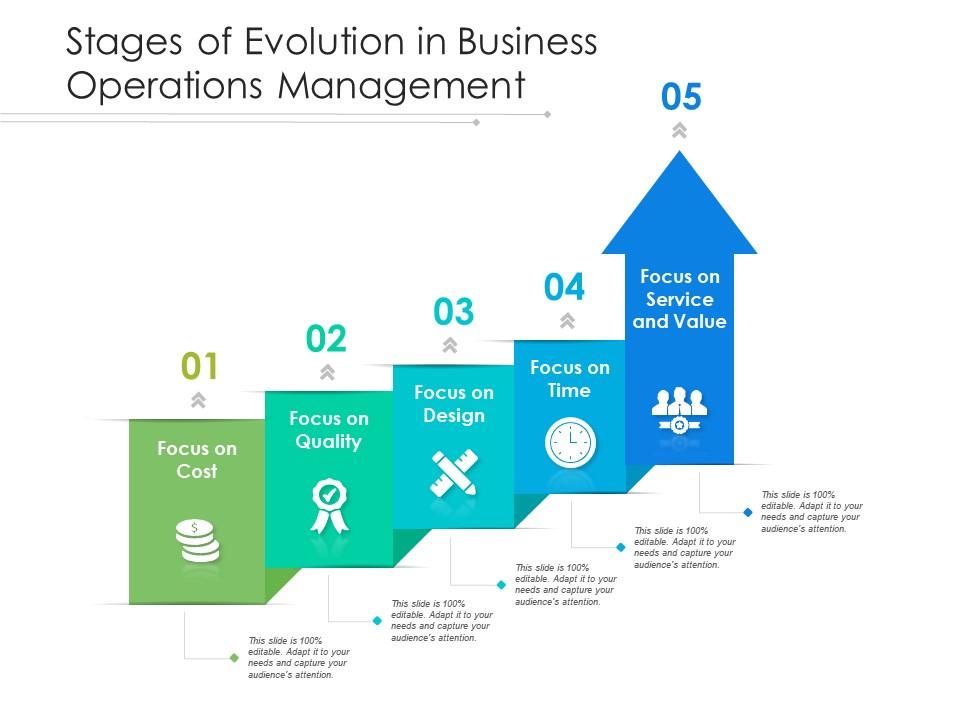
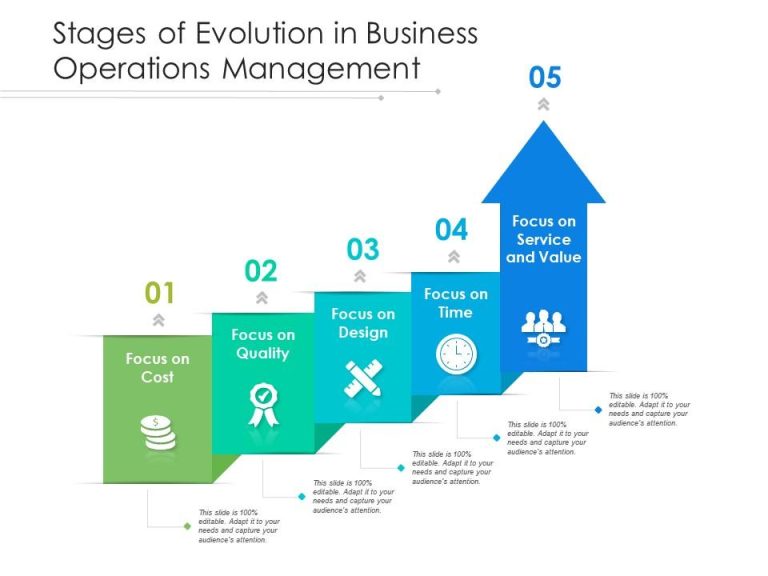
Process management has come a long way from its traditional roots. Historically, businesses focused on basic workflow processes to ensure tasks were completed efficiently. However, as technology has advanced and market demands have shifted, the need for a more sophisticated approach has become apparent. Advanced process management incorporates modern tools and methodologies to analyze, design, implement, and continually improve processes.

Key Components of Advanced Process Management

  1. Data-Driven Insights: Modern process management relies heavily on data analytics. By leveraging real-time data, organizations can gain valuable insights into their operations, identify inefficiencies, and make informed decisions. Tools such as Business Process Management Systems (BPMS) and advanced analytics platforms allow for continuous monitoring and optimization of processes.

  2. Automation and Technology Integration: Automation is a game-changer in process management. By integrating technologies like Robotic Process Automation (RPA) and Artificial Intelligence (AI), businesses can automate repetitive tasks, reduce human error, and free up valuable resources. This not only speeds up operations but also allows employees to focus on more strategic, value-added activities.

  3. Agile Methodologies: The adoption of agile methodologies has transformed process management by promoting flexibility and responsiveness. Agile practices, such as iterative development and continuous feedback, enable organizations to adapt quickly to changes and continuously improve their processes.

  4. Cross-Functional Collaboration: Advanced process management emphasizes the importance of collaboration across different departments and functions. By breaking down silos and fostering a culture of teamwork, businesses can ensure that processes are integrated and optimized across the entire organization.

Driving Efficiency Through Process Management

Efficiency is a primary goal of process management. By mapping out workflows, identifying bottlenecks, and streamlining procedures, organizations can significantly reduce operational costs and time. Advanced process management techniques, such as Lean Six Sigma, focus on eliminating waste and improving quality, leading to more efficient and effective operations.

Fostering Innovation

In addition to driving efficiency, advanced process management also plays a crucial role in fostering innovation. By creating a structured framework for process improvement, businesses can experiment with new ideas, test innovative solutions, and implement changes more effectively. The iterative nature of advanced process management encourages a culture of continuous improvement and innovation, allowing organizations to stay ahead of industry trends and emerging technologies.

Real-World Examples

Several companies have successfully leveraged advanced process management to revolutionize their operations. For instance, a global manufacturing firm implemented a comprehensive process management system that integrated AI and automation, resulting in a significant reduction in production time and costs. Similarly, a leading financial services provider adopted agile methodologies to streamline its processes, leading to faster time-to-market for new products and improved customer satisfaction.

Conclusion

Advanced process management is more than just a trend; it is a fundamental approach to transforming business operations. By embracing data-driven insights, automation, agile practices, and cross-functional collaboration, organizations can enhance efficiency, drive innovation, and achieve long-term success. As businesses continue to navigate an ever-changing landscape, advanced process management will remain a key driver of operational excellence and competitive advantage.

In an era where efficiency and innovation are paramount, investing in advanced process management is not just a strategic choice—it is a necessity for thriving in the modern business world.

Building Organizational Resilience: Strategies for Management Success | PDCA Group

In today’s volatile and fast-changing business environment, the ability to navigate uncertainty and bounce back from challenges is crucial. Companies that cultivate a resilient culture are better equipped to weather crises, adapt to change, and emerge stronger in the face of adversity. But building such a culture doesn’t happen overnight; it requires deliberate strategies, strong leadership, and a commitment to fostering an environment where resilience can thrive. This article explores the key elements of a resilient culture and provides actionable strategies for companies aiming to build resilience into their organizational DNA.

Understanding Resilience in the Workplace

Resilience in a business context refers to an organization’s ability to endure and adapt to disruptions, whether they come in the form of economic downturns, market shifts, technological changes, or global crises like the COVID-19 pandemic. A resilient culture enables employees to remain engaged, motivated, and productive, even when faced with significant challenges. It also empowers companies to quickly pivot and innovate in response to new circumstances, ensuring long-term success and sustainability.

A resilient culture is not just about surviving tough times; it’s about thriving amid uncertainty. It involves creating an environment where people are encouraged to take risks, learn from failures, and continuously improve. It’s about fostering a mindset that sees challenges as opportunities for growth rather than threats.

Key Elements of a Resilient Culture

  1. Adaptability and FlexibilityA resilient culture is marked by a high level of adaptability. This means that the organization and its employees are open to change and can adjust their strategies, operations, and mindsets as needed. Flexibility is crucial in a world where new challenges and opportunities can emerge suddenly. Companies with a resilient culture are not rigidly tied to old ways of doing things; they embrace change and encourage their teams to think creatively and experiment with new approaches.
  2. Strong LeadershipLeadership plays a pivotal role in building and sustaining a resilient culture. Leaders set the tone for the organization’s response to challenges. They must be transparent, communicative, and supportive, particularly during times of crisis. Resilient leaders inspire confidence and trust, ensuring that employees feel safe to express concerns, share ideas, and take risks. They also lead by example, demonstrating resilience in their own actions and decisions.
  3. Open CommunicationOpen, honest, and transparent communication is essential for resilience. In uncertain times, employees need to understand what’s happening, why decisions are being made, and how they fit into the bigger picture. Clear communication reduces anxiety, builds trust, and fosters a sense of community. It also ensures that everyone is aligned with the organization’s goals and strategies, making it easier to navigate challenges together.
  4. Continuous Learning and DevelopmentA culture of continuous learning is a cornerstone of resilience. Organizations that prioritize employee development, encourage learning from mistakes, and invest in upskilling are better positioned to adapt to change. Continuous learning helps employees stay relevant in a rapidly evolving job market and equips them with the skills needed to tackle new challenges. It also fosters a growth mindset, where employees see setbacks as opportunities to learn and improve.
  5. Employee Empowerment and InvolvementEmpowering employees to take ownership of their work and make decisions fosters a sense of agency and accountability. When employees feel they have a say in how things are done, they are more likely to be engaged and committed to the organization’s success. In a resilient culture, employees are encouraged to share ideas, contribute to problem-solving, and take initiative. This not only boosts morale but also leads to innovative solutions and greater agility in responding to challenges.
  6. A Focus on Well-beingResilience is closely linked to well-being. Organizations that prioritize the physical, mental, and emotional health of their employees create a supportive environment where resilience can flourish. This includes providing resources for stress management, promoting work-life balance, and creating a culture where asking for help is encouraged. When employees feel cared for and supported, they are better equipped to handle stress and bounce back from setbacks.

Strategies for Building a Resilient Culture

  1. Foster a Growth MindsetEncourage a culture where learning and development are valued over perfection. This means celebrating effort and progress, even when outcomes aren’t ideal. Promote the idea that mistakes are opportunities for learning and that resilience is built through overcoming challenges.
  2. Encourage Collaboration and TeamworkCollaboration strengthens resilience by bringing diverse perspectives and skills together to solve problems. Encourage cross-functional teamwork and create opportunities for employees to collaborate on projects. This not only builds stronger teams but also promotes a sense of shared purpose and collective resilience.
  3. Invest in Leadership DevelopmentEquip leaders with the skills and tools they need to lead through uncertainty. This includes training in crisis management, effective communication, and emotional intelligence. Strong leaders are critical to fostering a resilient culture, so investing in their development is key.
  4. Implement Regular Feedback LoopsCreate systems for regular feedback that allow employees to voice concerns, share ideas, and suggest improvements. This can be done through surveys, suggestion boxes, or regular check-ins. Feedback loops ensure that the organization remains agile and responsive to the needs of its employees and the external environment.
  5. Recognize and Celebrate ResilienceAcknowledge and reward resilience within the organization. Whether it’s recognizing teams that have successfully navigated a difficult project or celebrating individual contributions during challenging times, recognizing resilience reinforces its importance and encourages others to develop it.
  6. Build Flexibility into Processes and PoliciesReview and update organizational processes and policies to ensure they support flexibility and adaptability. This might include implementing flexible work arrangements, revising decision-making processes to be more inclusive, or updating policies to allow for rapid response to changing conditions.

Conclusion

Building a resilient culture is not just a strategy for surviving tough times—it’s a competitive advantage in today’s ever-changing business landscape. By fostering adaptability, empowering employees, promoting continuous learning, and prioritizing well-being, organizations can create a culture that not only withstands challenges but also thrives in the face of them. In uncertain times, resilience becomes the key to long-term success, enabling companies to navigate disruptions, seize new opportunities, and emerge stronger than ever.